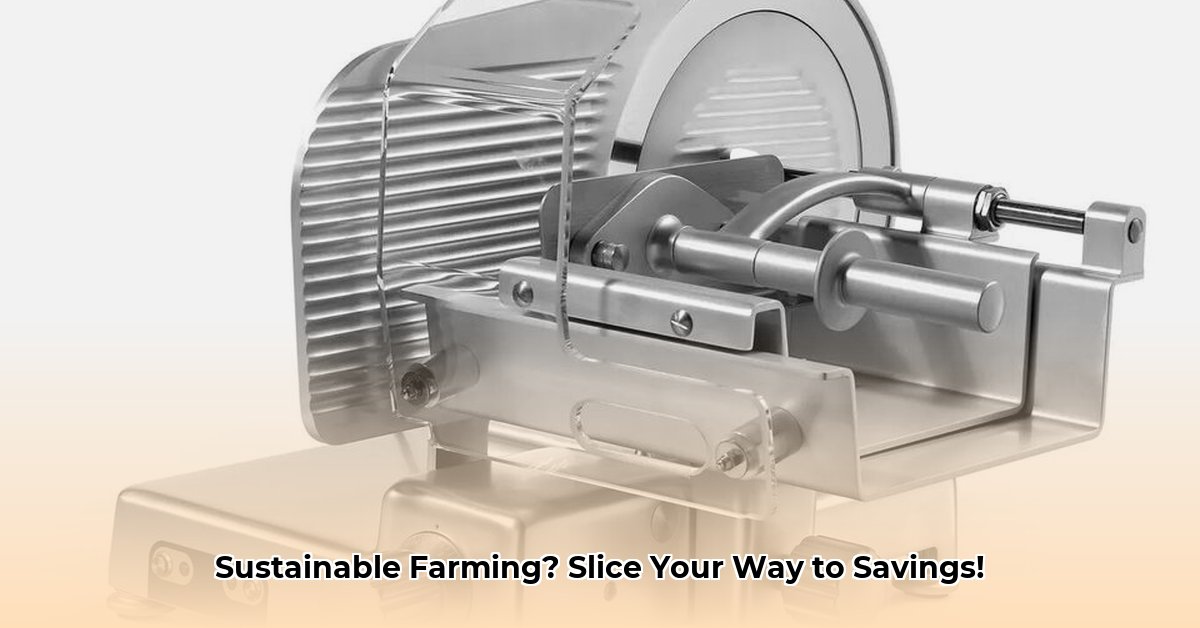
Meat Slicer Tractor Supply: Precision Cutting for a Sustainable Future
Let's talk about meat slicers—specifically, those available at Tractor Supply. These aren't just for commercial kitchens; they're valuable tools for farmers, butchers, and home cooks committed to sustainable food practices. A quality meat slicer minimizes waste, improves efficiency, and contributes to a greener food system. For more Tractor Supply locations, check out this helpful page.
Think about the perfectly good meat lost to uneven cuts. Those scraps add up quickly, representing both financial loss and environmental impact. A Tractor Supply meat slicer minimizes this waste by creating precise, consistent slices every time. This translates to less food in landfills, reduced energy consumption in transportation and processing, and ultimately, a smaller environmental footprint. Isn't that a compelling reason to embrace precision slicing? One perfectly sliced roast is worth more than several uneven chunks in the compost.
Choosing the Right Meat Slicer at Tractor Supply
Tractor Supply offers a variety of meat slicers to suit different needs and budgets. Consider these factors when making your selection:
- Size: How much meat do you typically process? A smaller slicer is ideal for home use, while larger models are necessary for commercial operations or large-scale home butchery.
- Blade Size: Larger blades are more efficient for larger cuts of meat, ensuring quicker processing times.
- Motor Power: A powerful motor enables faster slicing, minimizing processing time and improving overall efficiency.
- Features: Some models offer features such as adjustable thickness settings and quick-release blades for easy cleaning and maintenance. These features can substantially improve workflow and hygiene.
Before purchasing, research different models and read online reviews. Comparing specifications and features will help you select the slicer that best meets your needs and budget. This planning prevents future frustrations and ensures a worthwhile investment.
Sustainability Through Precision: Reducing Food Waste and its Environmental Impact
Utilizing a meat slicer isn't just about aesthetically pleasing slices; it's a commitment to sustainable agricultural practices. Reduced food waste directly translates to a smaller environmental footprint. This means:
- Less Methane: Less decomposing food in landfills reduces methane emissions, a potent greenhouse gas.
- Reduced Transportation: Less waste to transport and dispose of lowers fuel consumption and emissions.
- Lower Energy Consumption: The entire food chain benefits from reduced energy needed for processing and waste management.
These individual impact reductions, when multiplied across many farms and homes, deliver significant environmental benefits. Wouldn't you rather contribute to that kind of positive, collective effect?
Maintaining Your Meat Slicer for Optimal Performance and Longevity
Proper maintenance is crucial for extending the lifespan of your meat slicer and ensuring peak efficiency.
- Thorough Cleaning: After every use, thoroughly clean the slicer, removing all meat scraps and residues.
- Regular Lubrication: Lubricate moving parts at recommended intervals (check your owner's manual) to maintain smooth operation and prevent premature wear.
- Safe Storage: Store the slicer in a dry location, away from moisture and extreme temperatures, especially during periods of inactivity.
These simple steps, consistently followed, ensure your meat slicer remains a dependable and efficient tool for years to come.
Optimizing Energy Consumption in Sustainable Agriculture
While using a meat slicer is inherently sustainable, further improvements are possible. Here's how to minimize its energy footprint:
- Right-Sizing: Choose a slicer appropriate for the task. Using a large slicer for small jobs is inefficient and wasteful.
- Efficient Usage: Only slice what's needed, reducing spoilage and unnecessary processing.
- Power Management: Turn off the slicer when not in use to avoid unnecessary energy consumption.
- Regular Maintenance: A well-maintained slicer operates more efficiently, minimizing energy waste.
- Consider Renewable Energy: Power the slicer using renewable sources like solar or wind power for an even smaller environmental impact.
By implementing these strategies, farmers and businesses can significantly reduce their environmental impacts while also optimizing operational efficiency and reducing costs.
Key Considerations for Choosing a Commercial Meat Slicer
Selecting the right commercial meat slicer is crucial for efficiency and sustainability. Here are key points to consider:
- Energy Star Rating: Look for Energy Star certified models, indicating compliance with energy efficiency standards.
- Motor Efficiency: Prioritize slicers with high-efficiency motors for reduced energy consumption.
- Blade Design: A sharp, well-maintained blade is crucial for efficient slicing and minimizing energy needs.
By considering these factors and embracing best practices, you ensure your investment aligns with sustainable agricultural goals. The initial cost investment is quickly offset by long-term savings from reduced energy consumption and minimized waste.